
A pretzel is typical food in Bavaria. Photo: Alexa from Pixabay
Bavarian culinary lexicon
From chicken to radish, from Obatzda to Kaiserschmarrn: Bavarian food means tradition, enjoyment, and conviviality. This lexicon shows you the most important delicacies—perfect for reference and linking.
👉 Culinary Tours Germany – Slow Travel, regional specialties and experiences
Bavarian food – More than just chicken and beer
There's much more to Bavaria than just beer and chicken. Our Delicacies Lexicon presents you the most popular Bavarian specialties – as a visual overview and with detailed descriptions for connoisseurs.
Overview of Bavarian specialties
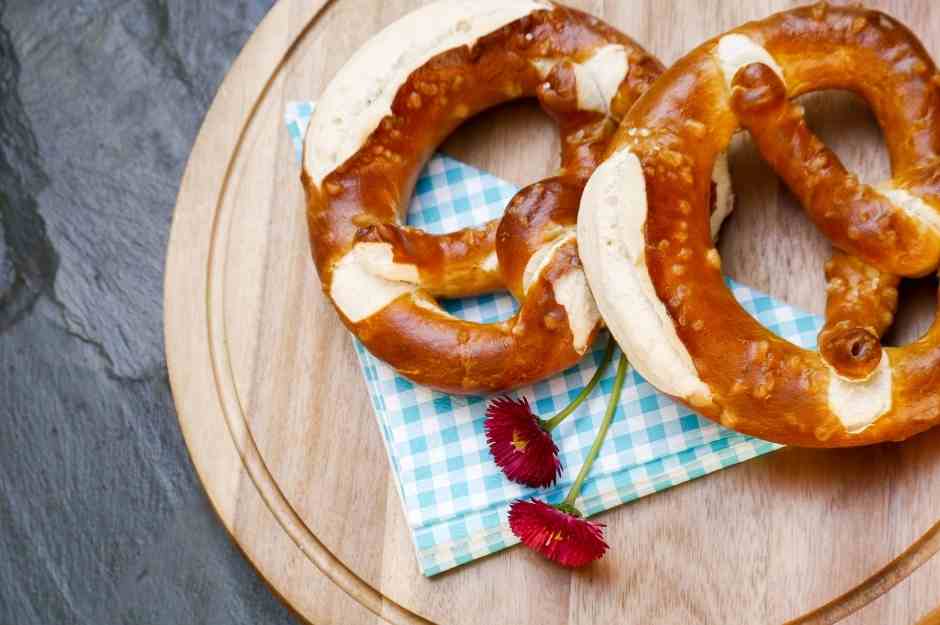
Pretzel
Crispy, salty, just the perfect size.
The pretzel is as much a part of Bavaria as beer. At festivals, it's available in oversized versions – sometimes so big that it easily feeds two people. Crispy on the outside, wonderfully soft and slightly salty on the inside: it's the perfect accompaniment to Obatzda (a Bavarian cheese spread), radishes, or simply a liter of beer. A piece of living tradition that no table should be without.
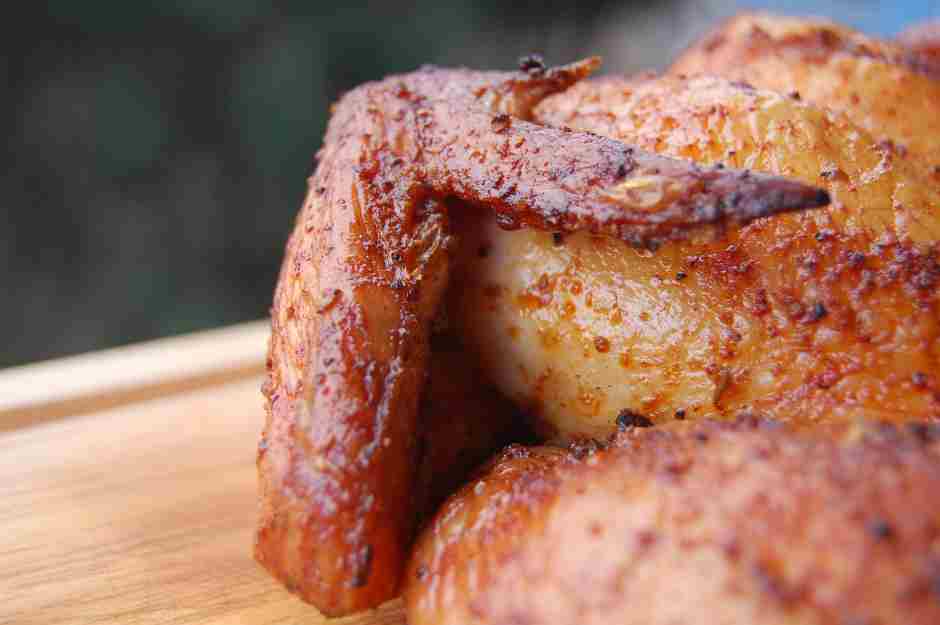
Hendl
Golden brown on the outside, juicy on the inside.
Half a chicken is probably the most popular dish at a folk festival. The aroma of freshly grilled chicken hits you as soon as you enter the tent. Crispy and golden brown on the outside, juicy and flavorful on the inside – that's exactly how a real chicken should taste. A classic that simply belongs there.
to plan a journey
Find your hotel in Munich
Munich gets booked up quickly for events – so secure your room early!
- Hotels in Munich at Booking.com* (Advertisement)
- Munich accommodations at Expedia* (Advertisement
- Holiday apartments in Munich at FeWo-direkt* (Advertisement)
If you need help deciding, you can find our overview of suitable options here. Munich Hotels.
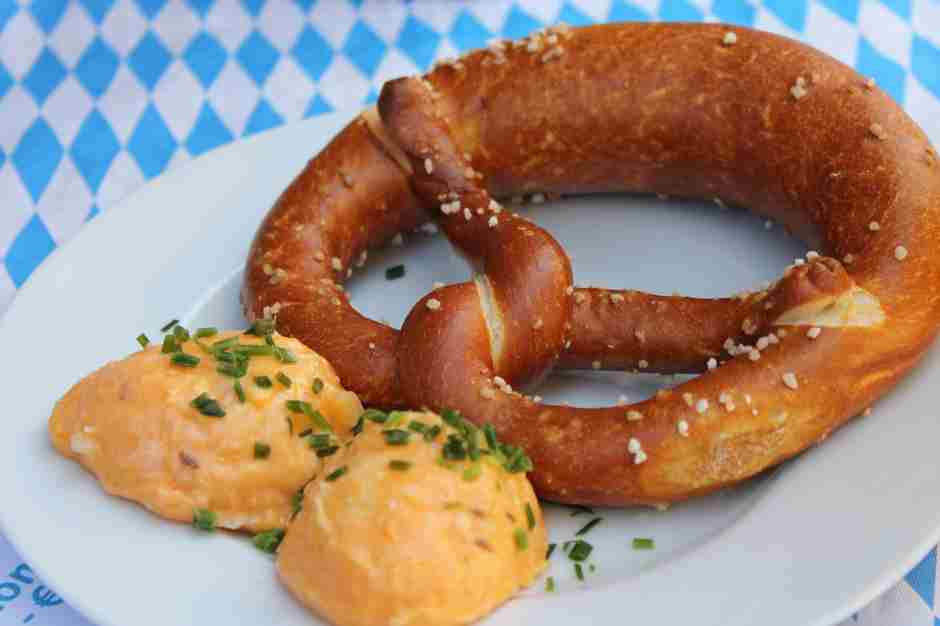
Obatzda
Spicy cheese spread for pretzels.
Obatzda is probably the most Bavarian of all bread spreads. Made from Camembert, butter, paprika, and onions, it is traditionally served with a pretzel. Creamy, flavorful, and unique – definitely a must for anyone wanting to discover Bavarian cuisine.
You can find an original Obatzda recipe here.
On these excursions you can taste Bavarian cheese.
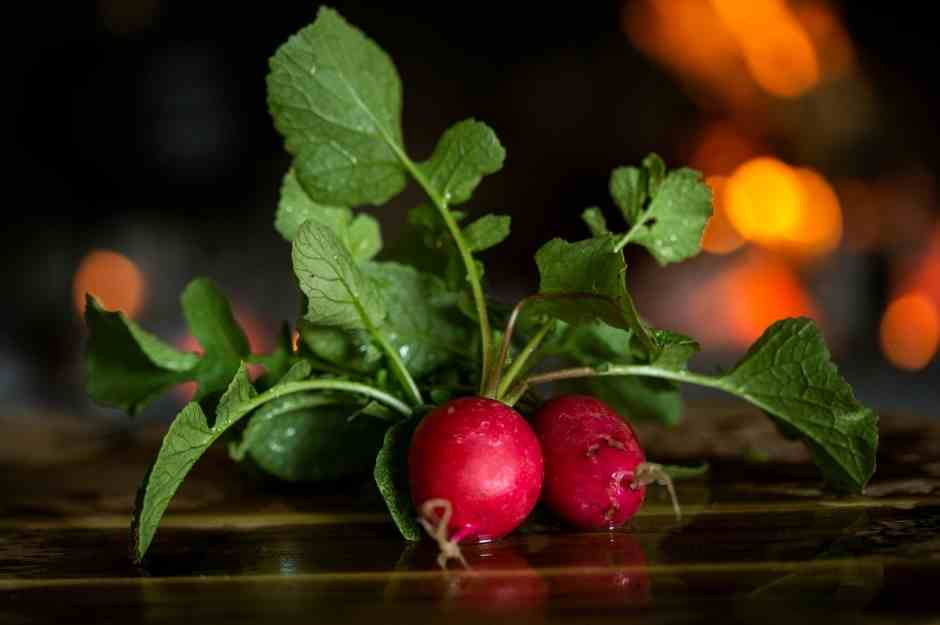
radish
Crisp, slightly spicy & refreshing – the perfect radish snack.
Radishes are a real insider tip for those who prefer lighter meals. Radishes are salted and then served crisp and fresh. The salt causes them to lose some water, making them particularly refreshing and slightly spicy. Radishes aren't a main course, but rather a typical snack, often shared at the table. However, they go perfectly with the Maß beer, as they stimulate thirst and balance out the hearty delicacies.
Ticket or tour box
Experience Bavaria – Tours & Experiences
Fancy a guided tour or a brewery experience? You'll find suitable offers here:

Steckerlfisch (fish on a stick)
Grilled mackerel on a wooden skewer – pure beer garden feeling.
Steckerlfisch brings the atmosphere of a beer garden right to your table. A whole mackerel is skewered on a wooden stick ("Steckerl") and grilled over an open fire. The result: crispy skin on the outside, juicy, tender flesh on the inside with a subtle smoky flavor. The fish is usually served with a slice of bread or a pretzel – completely uncomplicated, just as Bavarian coziness should be.
Originally, Steckerlfisch (snacked fish) originated in the Upper Bavarian lake region, where fishermen sold it at festivals. Today, it's a culinary highlight for anyone seeking a change from the classic chicken dish. It's a wonderfully light choice, especially on warm days.
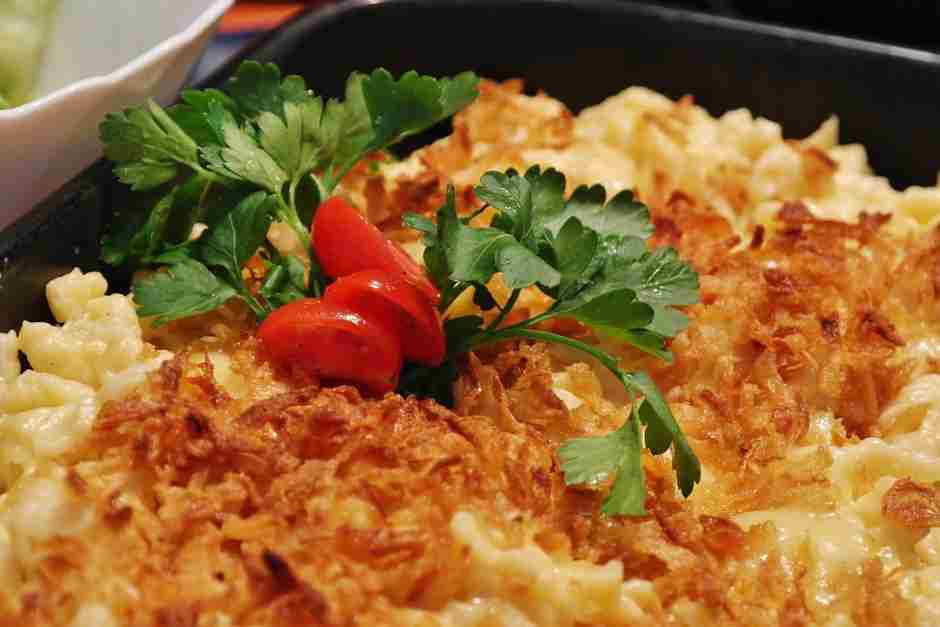
Käsespätzle (cheese spaezle)
Hearty, cheesy, vegetarian – with fried onions on top.
Cheese spaetzle are the vegetarian answer to chicken and pork knuckle—but are just as hearty. Freshly grated spaetzle are layered with robust mountain cheese, finished with fried onions, and baked in the oven.
The combination of creamy cheese and crunchy onions makes it a truly comforting dish.
Especially for vegetarians, Käsespätzle are an indispensable delicacy that demonstrates just how diverse Bavarian cuisine can be. One plate of Käsespätzle – and all is right with the world.
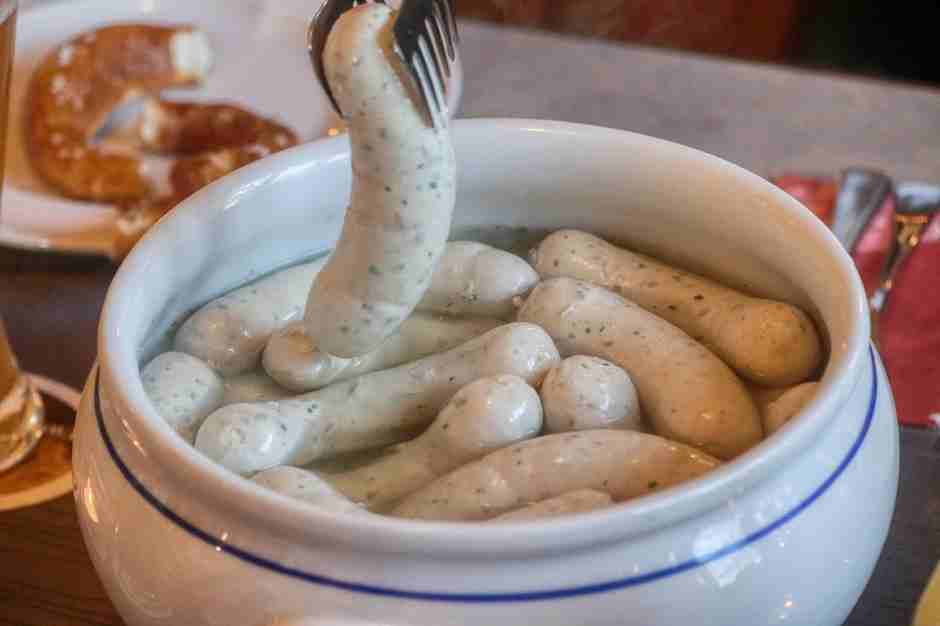
Weißwurst
Traditionally with sweet mustard and pretzels – not just in the morning.
The white sausage is definitely a symbol of Bavarian food culture – and although it is traditionally considered a breakfast food, it is served throughout the day.
It consists of veal and bacon, seasoned with parsley, lemon, and a little ginger. It is traditionally served in a hot water bath, accompanied by sweet mustard and a fresh pretzel.
The "zuzeln" (sucking the sausage out of its skin) often elicits a chuckle from tourists, while locals take it for granted. Mild in flavor and easily digestible, the Weißwurst (white sausage) is a pleasant change from heartier dishes.
How to eat Weißwurst properly – This is how it's done for foodies –
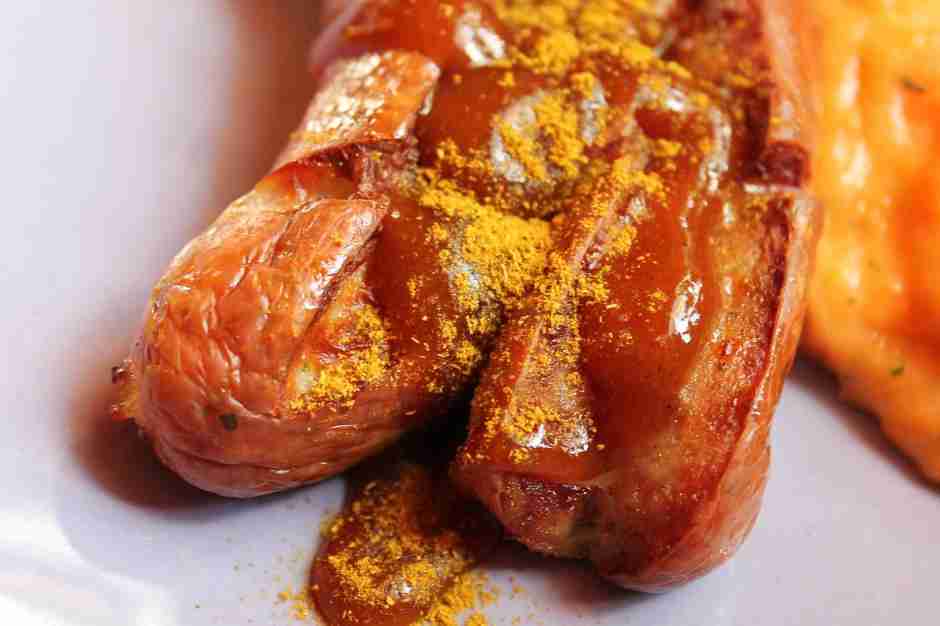
Currywurst is not a Bavarian food
In contrast to the original, the Bavarian-style bratwurst is usually made with a coarse, robust sausage, often even with cheese inside. However, the sauce is heartier than the Berlin version, less sweet and with a tangy flavor.
For many visitors, currywurst is the ideal snack in a beer tent – quick, filling, and uncomplicated. It's especially popular with younger guests and tourists who want to try a familiar dish with a Bavarian twist. A modern treat.
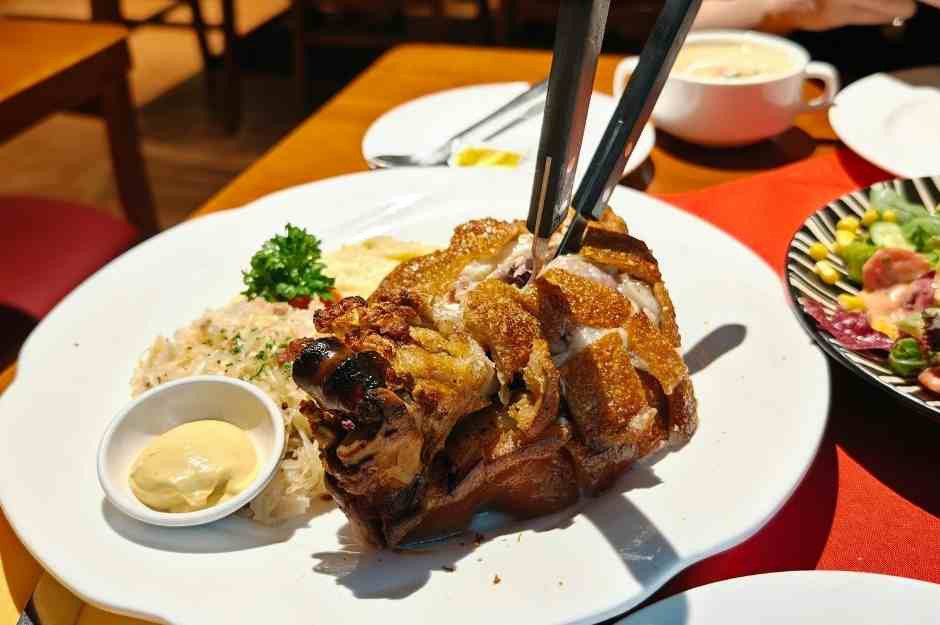
Schweinshaxe
Crispy crust, juicy meat – the Bavarian feast.
Hardly any dish embodies Bavarian heartiness quite like the pork knuckle. A crispy, golden-brown crust on the outside, while the juicy, aromatic meat on the inside is served with a dark beer sauce and dumplings.
Pork knuckle is therefore a feast, best shared in good company. However, it takes time to prepare and is therefore a real highlight when it turns out perfectly.
Traditionally, it's considered a worker's meal that provides strength and keeps you full for a long time. Today, it's also a symbol of Bavarian joie de vivre—a dish for true connoisseurs who love hearty food.
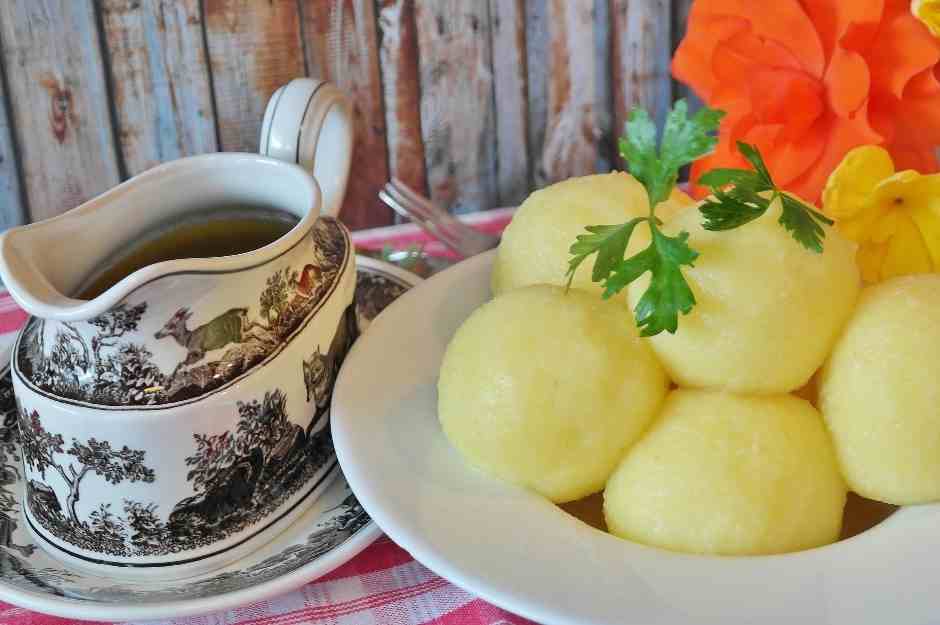
Potato dumplings go well with many Bavarian dishes.
The classic accompaniment to knuckle of pork – fluffy and hearty.
Potato dumplings are a classic accompaniment to knuckle of pork or roast pork. They consist of boiled or raw potatoes, kneaded into a dough, and cooked in salted water.
Their strength lies in soaking up the rich sauce – and that's exactly why they're loved. Fluffy, hearty, and simply perfect as an accompaniment to meat dishes.
In Bavaria, there are many variations. A feast simply wouldn't be complete without potato dumplings.
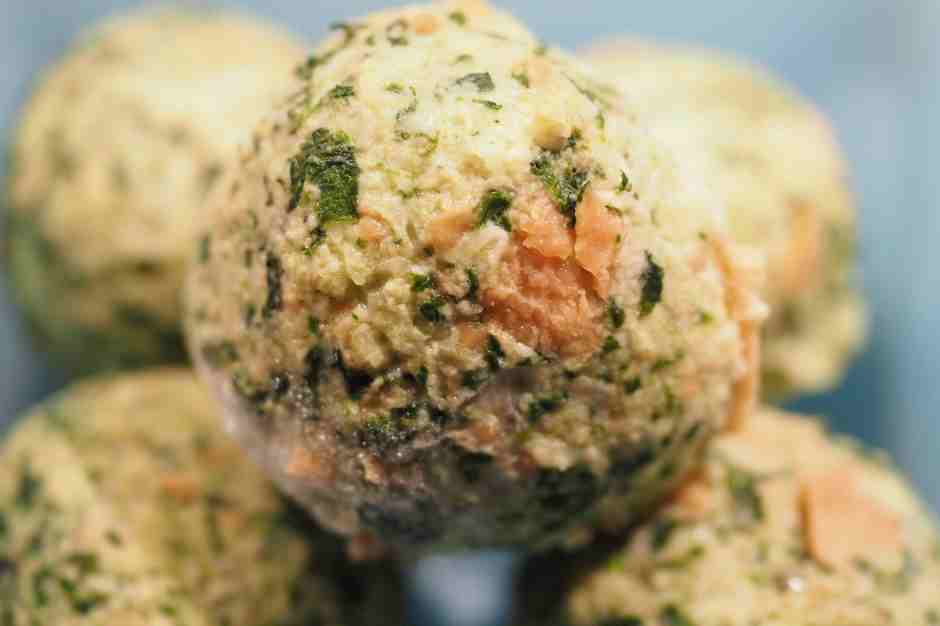
Semmelknödel
A hearty classic made from stale bread – perfect with sauce.
Bread dumplings are a prime example of the down-to-earth Bavarian cuisine: Stale bread rolls, milk, eggs and parsley create a side dish that is not only delicious but also sustainable.
They are a staple, especially with roasts and plenty of gravy. Bread dumplings are somewhat lighter than potato dumplings and have a hearty, bready flavor.
Many guests love them because they perfectly complement hearty meat dishes. And if you're lucky, you might even find them as a base for vegetarian dishes – for example, with a creamy mushroom sauce. A true classic.
sweet temptations
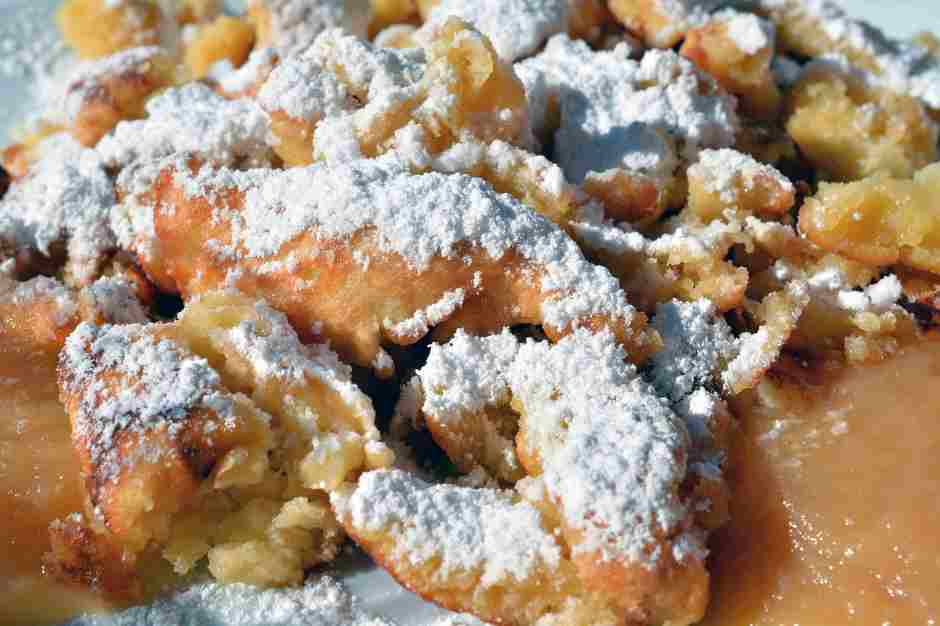
Kaiserschmarrn
Light, caramelized, sprinkled with powdered sugar – heavenly sweet.
Kaiserschmarrn is a sweet dream and a true crowd-pleaser. The fluffy pancake batter is cooked in a pan, torn into pieces, caramelized, and sprinkled with powdered sugar. It's served with applesauce, plum compote, or vanilla sauce.
Originally from Austria, it has long enjoyed cult status in Bavaria.
It is therefore the perfect choice for anyone who fancies something sweet after a savory meal. Light, airy, yet satisfying.
Here you will find Kaiserschmarrn recipes from Austria and Bavaria.
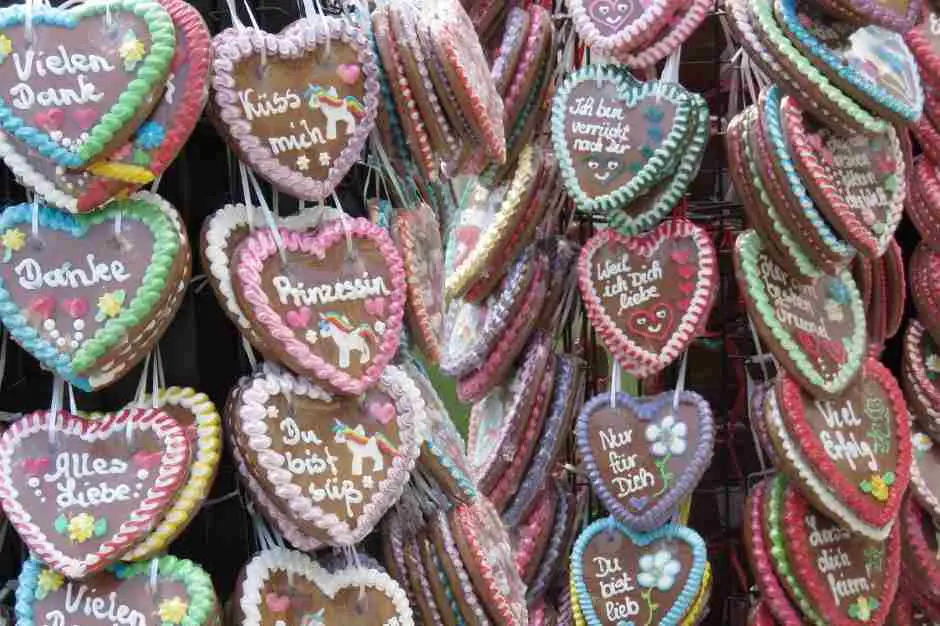
gingerbreadhearts
More message than treat.
Gingerbread hearts are as much a part of the folk festival as a liter of beer. Brightly decorated with icing and typical sayings like "Spatzl" or "I mog di," they are less intended for eating and more as a souvenir or a token of love.
They are often bought to hang around the necks of loved ones or to take home as a souvenir.
In terms of taste, they are sweet and spicy, but the heart of it is the symbolism: they represent the warmth as well as the playfulness of the festival.
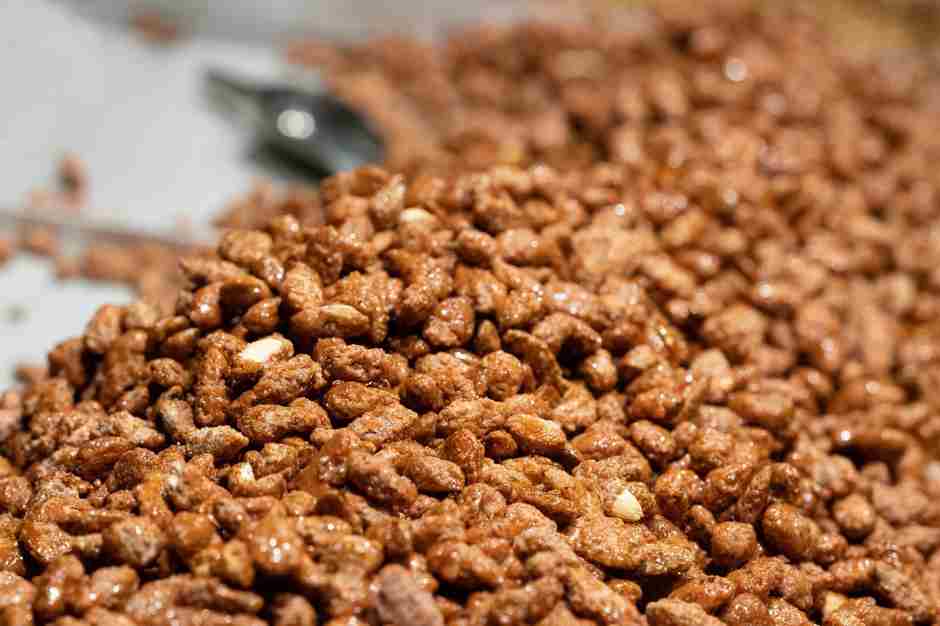
Roasted almonds
Crispy, caramel-like, and fragrant.
The sweet scent of roasted almonds is enticing from afar. The crunchy almonds are coated in a layer of caramelized sugar that makes a delightful crunch when you bite into them.
They taste best warm from the bag – and many visitors take an extra bag home with them.
Roasted almonds are a classic that never goes out of style. A snack that delights young and old alike.
Vegetarian & modern food in Bavaria
In addition to chicken and knuckle, there are now numerous vegetarian and even vegan options. Classics such as Obatzda, Käsespätzle (cheese spaezle) or Radi Modern interpretations are just as much a part of it.
More things to know
- The neighborhood & travel guide for Munich
- Hotels in Munich – Book the best locations now
- Summer in the Allgäu – Holidays with pleasure and views
- Mayenne France - The most beautiful gardens in the Pays de la Loire
Source: own on-site research. We lived in Munich for 38 years and therefore know the city very well. Our opinions remain, as always, our own.
Text: © Copyright Monika Fuchs as well TWO
Photos: © Copyright Canva and Pixabay
Video: © Copyright Monika Fuchs and TWO